admin
admin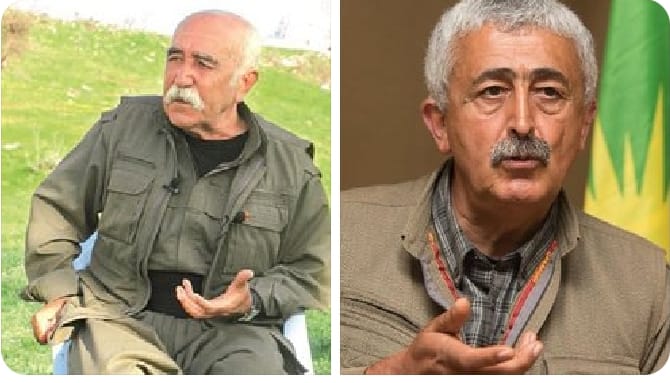
The PKK (Kurdistan Workers’ Party), which had been engaged in an armed struggle against Turkey for four decades, has finally laid down its arms and announced an end to the war. This armed conflict began in 1984, claiming the lives of over 40,000 people and causing Turkey more than $400 billion in economic losses. Millions of families were affected, and thousands of individuals sacrificed their lives for a cause that ultimately led only to destruction and devastation.
During this conflict, various separatist groups amplified similar narratives. Baloch separatist organizations such as the BLA and BLF expressed solidarity with the Kurdish militants. Slogans like “Kurds and Baloch are brothers” became common on social media, and these groups even held joint protests in Europe. The women of Majeed Brigade were also reportedly inspired by PKK’s tactics in training female suicide bombers, showing a shared exchange of methods and ideology among these separatist entities.
Now, with a long-standing and organized group like the PKK surrendering, it sends a clear message to all those groups that still believe that taking up arms against the state is a path to freedom. Armed rebellion against the state brings neither justice nor liberty — it only results in bloodshed, destruction, and lasting regret.
Eventually, the same people and communities who rise against their own state must return to it. Nations cannot exist without their soil, institutions, and citizens. Separatism is never a sustainable solution, and the PKK’s recent retreat is proof that a lasting and workable future can only be built through unity and cooperation with the state.